

Designing for Real Life
Forget one-size-fits-all design. Each family has its own rhythm, its own personality. When I approach a project, I’m not just looking at square footage – I’m looking at life stories. Consider these essential elements:
Personal Style Preferences: Every family member brings their own flavour. A teenager’s bold color choices, a parent’s love for minimalism, a child’s need for playful spaces—these aren’t obstacles. They’re opportunities for creative design.
Functional Storage: Storage isn’t glamorous, but it’s the unsung hero of family homes. Clutter kills creativity and peace. Smart storage solutions transform spaces from chaotic to calm.
Flexible Living Zones: Homes today need to be chameleons. A dining area that becomes a homework station. A home office that can host family game nights. Versatility is key.
Smart Storage Solutions
Storage is an art form that goes far beyond simple shelving. In my years of design, I’ve discovered that every home has hidden potential for intelligent storage. Those awkward spaces beneath stairs? They’re not dead zones – they’re opportunities waiting to be transformed. A custom-built cabinet can turn that unused area into a magical storage solution for everything from board games to work-from-home essentials.
Drawing from decades of interior design expertise and partnerships with master craftspeople, our approach to storage solutions transcends conventional thinking. By collaborating closely with skilled cabinet makers who specialise in bespoke woodworking, we transform challenging spaces into meticulously crafted storage systems. Each custom piece can be carefully designed to not just maximise space, but to seamlessly integrate with your home’s unique architectural character and personal aesthetic, ensuring that functionality and beauty coexist harmoniously.
These pieces aren’t just furniture—they’re problem solvers dressed in style.
Design Principles for Family Homes
Great family home design is about creating a harmonious environment that adapts and evolves. It’s a delicate balance of aesthetics and practicality, where every design choice serves a purpose beyond mere visual appeal. Materials matter immensely – choose surfaces that can withstand the inevitable spills, scratches, and daily wear that come with family life.
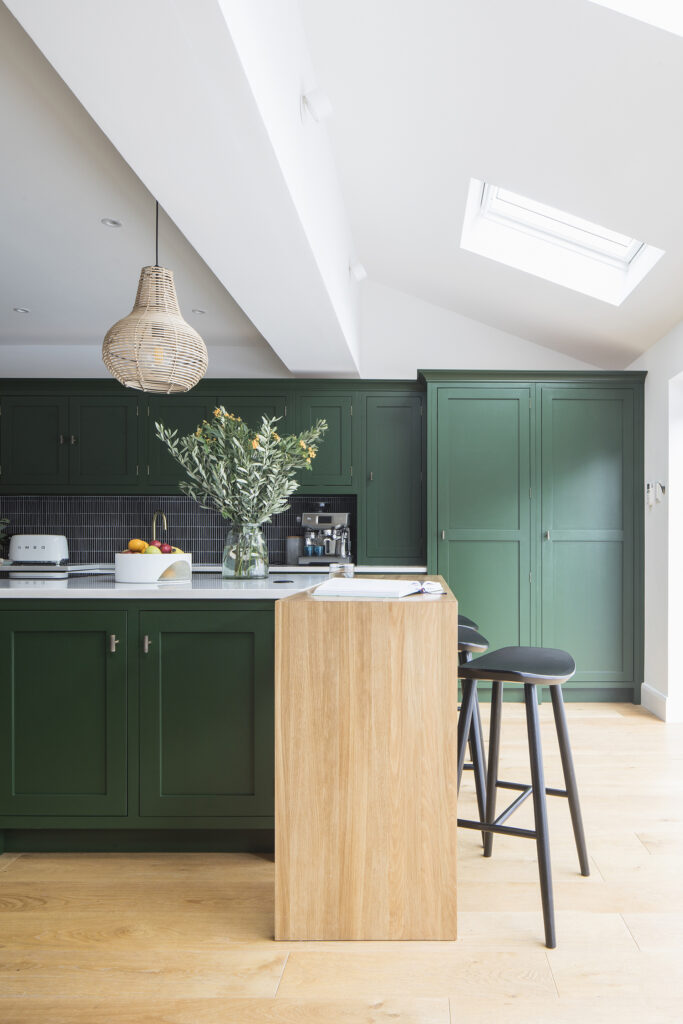
Zoning is crucial. A well-designed home creates distinct areas for different activities without feeling fragmented. A reading nook that offers quiet retreat, a kitchen island that becomes a homework hub, a living area that seamlessly transitions from daytime play to evening relaxation. These aren’t just rooms—they’re carefully choreographed spaces that support family dynamics.
Personal artifacts tell your story. Whether it’s a wall of family photographs, children’s artwork, or treasured mementos, these elements transform a house into a home. Design should celebrate your family’s unique journey, not erase it.
Collaboration is Everything
Design isn’t a solo performance. It’s a deeply collaborative process that requires trust, communication, and a shared vision. When I work with a family, I’m not just designing a space – I’m becoming a partner in their life’s narrative.
This means being present, listening deeply, and being adaptable. Sometimes the most brilliant design solutions emerge from unexpected conversations. A child’s offhand comment about loving a particular colour, a parent’s concern about storage, a family’s unique lifestyle—these insights are design gold.