


1. Warm Minimalism: Simplicity with Comfort
Minimalism has been popular for many years, but in 2026 it is evolving into something warmer and more inviting. Instead of stark white spaces and cold, empty rooms, designers are embracing what is known as warm minimalism.
This style keeps the clean lines and uncluttered look of minimalism but introduces softer textures and warmer colours to create a more comfortable atmosphere.
Key elements of warm minimalism include:
- Neutral colour palettes such as beige, cream, taupe, and soft browns
- Natural materials like wood, linen, and stone
- Soft lighting and layered textures
- Carefully chosen furniture with simple shapes
The goal is to create a calm environment that feels relaxing rather than sterile.
2. Earthy Colour Palettes
In 2026, colour trends are moving away from cool greys and toward earth-inspired tones. These colours help bring a sense of nature indoors and create spaces that feel grounded and calming.
Popular colours this year include:
- Terracotta
- Olive green
- Sand and clay tones
- Warm caramel browns
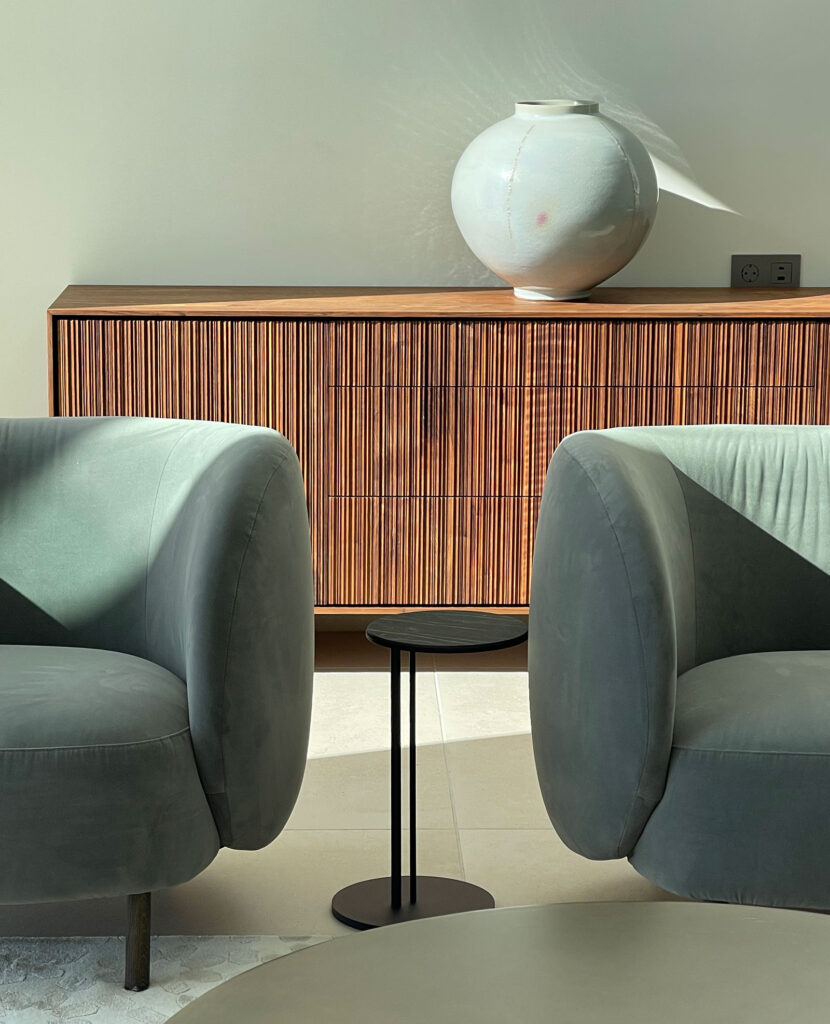
- Soft muted greens
These shades work beautifully in living rooms, bedrooms, and kitchens, especially when paired with natural materials.
If you’re not ready to repaint an entire room, you can introduce earthy colours through accessories such as cushions, rugs, artwork, or accent furniture.
3. Sustainable and Eco-Friendly Design
Sustainability continues to be a major focus in interior design. More homeowners are becoming conscious of the environmental impact of their choices and are looking for ways to create eco-friendly homes.
Some sustainable design ideas for 2026 include:
- Choosing furniture made from reclaimed or responsibly sourced wood
- Using low-VOC or eco-friendly paints
- Incorporating vintage or second-hand furniture
- Selecting natural fabrics like cotton, wool, and linen
- Installing energy-efficient lighting and appliances
Not only is sustainable design better for the planet, but it also adds character and authenticity to a home.
Vintage pieces, in particular, are becoming increasingly popular because they add personality and history to modern interiors.
4. Textured Walls and Surfaces
Flat, plain walls are gradually being replaced by textured finishes that add depth and visual interest.
In 2026, designers are experimenting with materials and finishes that create subtle texture throughout a space.
Some popular wall treatments include:
- Limewash paint
- Textured plaster finishes
- Wood panelling
- Decorative wall mouldings
- Stone or brick feature walls
These textures help create a more layered and sophisticated interior.
Even a single feature wall can dramatically change the feel of a room.
5. Multi-Functional Spaces
With many people continuing to work from home, interior spaces need to be more flexible than ever.
Homes in 2026 are being designed to serve multiple purposes. A living room might double as a workspace, while a guest bedroom might also function as a home office or hobby room.
Some smart design ideas include:
- Fold-away desks
- Modular furniture
- Storage benches
- Expandable dining tables
- Built-in shelving
The key is to design spaces that are both practical and stylish.
When furniture can serve multiple functions, it helps maximise space while keeping rooms organised and clutter-free.
6. Bringing Nature Indoors
Biophilic design—bringing elements of nature into the home—continues to grow in popularity.
This trend focuses on creating a stronger connection between indoor spaces and the natural world.
Ways to incorporate biophilic design include:
- Adding indoor plants
- Maximising natural light
- Using natural materials like wood and stone
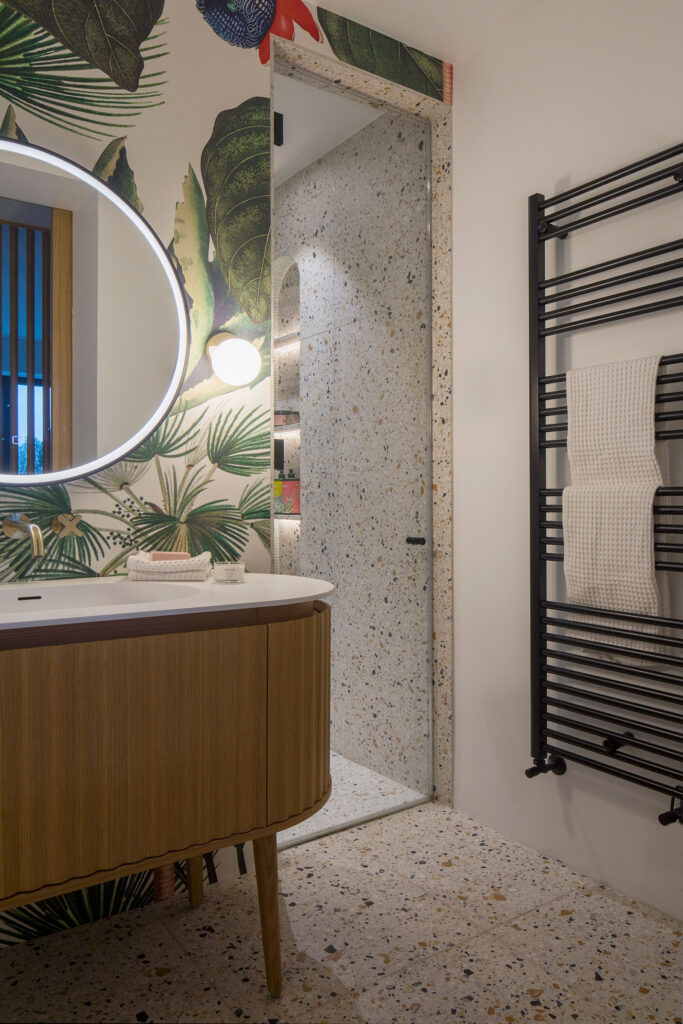
- Incorporating organic shapes in furniture and décor
Plants in particular can make a big difference in a room. They improve air quality, add colour, and make interiors feel more vibrant.
Large plants such as fiddle leaf figs, monstera, or olive trees are especially popular in modern homes.
7. Personalised Interiors
Perhaps the most important trend of 2026 is the shift toward personalisation.
Instead of copying a single design style, homeowners are mixing influences to create spaces that reflect their personality and lifestyle.
This could mean combining vintage furniture with modern pieces, displaying personal collections, or incorporating artwork that tells a story.
Personalised interiors feel more authentic and unique than spaces designed purely around trends.
Your home should ultimately feel like a reflection of you.
Final Thoughts
Interior design in 2026 is all about balance—combining comfort, style, sustainability, and individuality.
From warm minimalism and earthy colour palettes to statement lighting and multi-functional spaces, the latest trends focus on creating homes that are both beautiful and practical.
Whether you’re updating a single room or redesigning your entire home, incorporating even a few of these ideas can help create a space that feels modern, welcoming, and timeless.
Good design isn’t just about how a room looks—it’s about how it makes you feel. By choosing materials, colours, and furniture that suit your lifestyle, you can create a home that truly works for you